

Protein Powder (Chocolate Flavour)
July 30, 2026
Oseltamivir for Oral Suspension 30ml
July 30, 2026Diclofenac Diethylamine Topical Spray
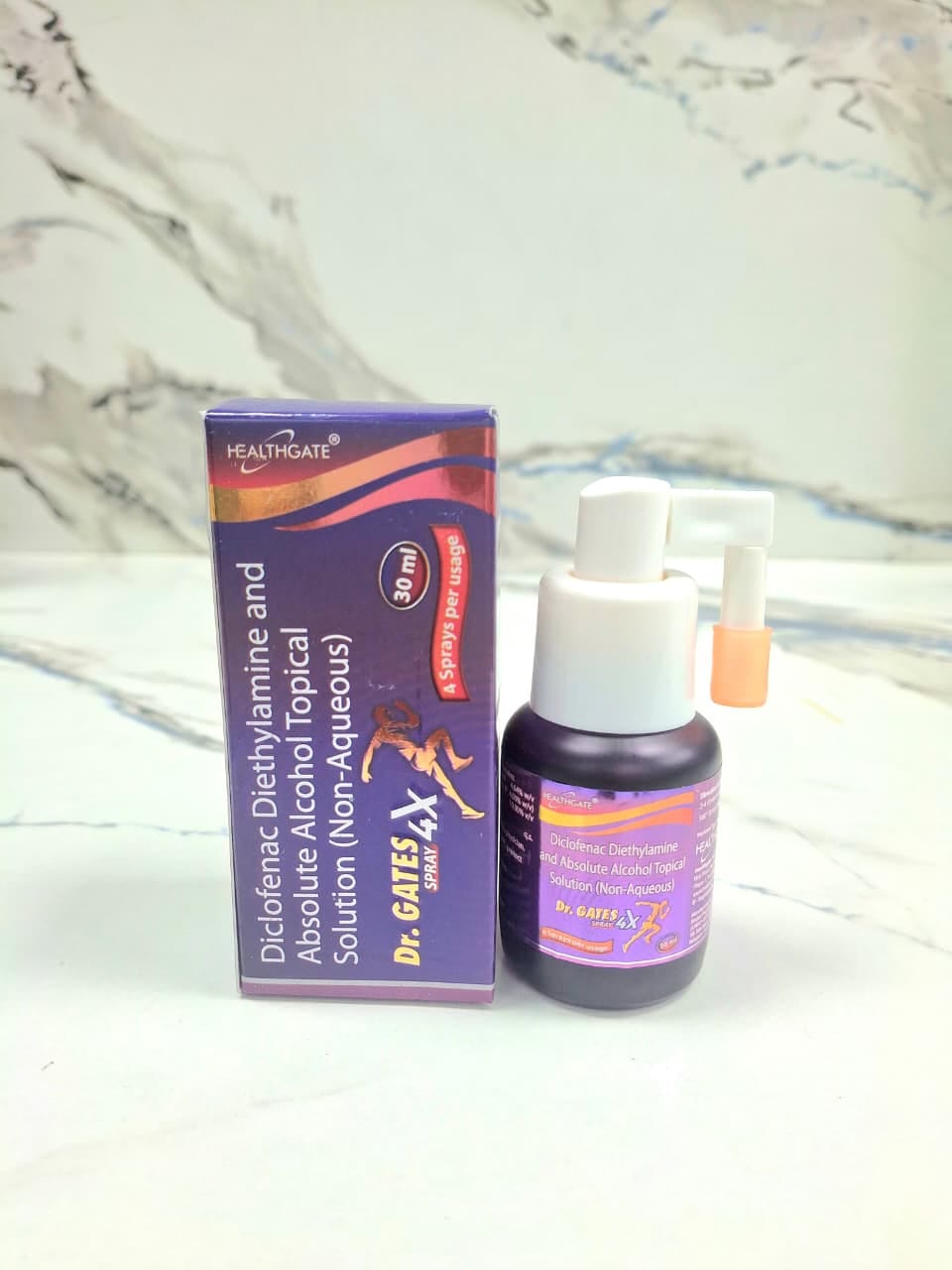
Sometimes a muscle or joint pain simply won’t go away despite a period of rest or perhaps wrapping it—it hurts when she or he wakes up and you wake up. There’s when folks start considering an answer that goes beyond a simple balm to a larger strength yet not a tablet. Diclofenac Diethylamine Topical Spray just fills in that void, and it’s clinically proven to be an anti-inflammatory for speed, accuracy, and convenience.
What Does Diclofenac Diethylamine Topical Spray Mean?
Diclofenac diethylamine is a topical non-steroidal anti-inflammatory drug (NSAID) that is used to relieve inflammation (muscle pain, joint pain, sprains, strains, and osteoarthritis) at the intended location. Unlike oral diclofenac, which circulates through the entire body, diethylamine diclofenac is made to penetrate the skin to the site of pain, where it can do its job—less delivery is to the bloodstream, and more is delivered to the area where relief is needed. It doesn’t get much easier to use than this when sprayed versus gel or cream—no rubbing, no mess, no need to sit around and wait for your hands to dry out again.
This spray is typically used by the types of people.
- Diclofenac diethylamine spray is bought for very practical, real-life reasons.
- People sitting for long periods of time in an office with stiffness in the neck and lower back. Sportsmen with sore muscles post-exercise, or gym enthusiasts.
- For older people who want to relieve stiffness in their joints without taking another tablet for the day.
- Individuals who are recovering from something as simple as a sprain or strain prefer this over oral pain medications, as it will work directly on the area affected.
- It’s a very popular choice just for this reason: it’s between “rub some cream on it” and “take a pill and wait.
How does it really work?
- Diclofenac blocks the production of prostaglandins, which are chemical messengers in the body that cause pain, swelling, and inflammation.
- When you apply it topically as a spray, it will soak into the skin and into the tissue under the skin, helping to reduce inflammation, wherever necessary.
- The short-acting property of this local action is one reason why Diclofenac Diethylamine Topical Spray is a popular option for musculoskeletal pain; it actually treats the cause of the pain rather than just the symptom—meaning relief is often deeper and more durable than other analgesic spray treatments that use cooling or warming only mechanisms.
Uses and Benefits
- Lifts and soothes localized muscle pain and soreness by regulating the flow of energy into parts of the body
- Relieves inflammation in the joints of low-grade arthritis (osteoarthritis)
- Helps eliminate sudden back pain and helps with lower back strain.
- Helps recover from small injuries and sports injuries.
- Reduces stiffness in neck and shoulders
- Delivers targeted relief without affecting the whole body like oral NSAIDs
- No residue formula that is quickly absorbed and does not cause greasiness.
- Relatively easy to apply on parts of the body that are difficult to access without help if that’s applicable.
- Minimizes hand-to-area contact—more hygienic application
- Easy for reuse during the day
Find out how to apply it correctly.
- The technique does make a difference to the effectiveness of the spray if it is done right.
- The bottle must be held in an upright position, approximately four to six inches from clean, dry skin, and three to four sprays are recommended to be directly over the painful area.
- Don’t press it into the skin, but let it absorb on its own after about a minute or two. Wash your hands afterwards, including before using your eyes and face.
- Most will take it between two and four times daily—but it is best to follow the recommended dosage instructions on the product container or as prescribed by a doctor or pharmacist, particularly if you are not using it for a single sprain or strain but as a chronic condition.
- Do not spray on broken skin, open wounds, or a tight bandage, as this can affect the amount of medication that is absorbed into your skin.
Precautions
- The use of diclofenac diethylamine spray isn’t suitable for everyone.
- NSAIDs are contraindicated for anyone known to have an allergy or sensitivity to these medications.
- It is not suitable for children unless a doctor recommends it and should be used with caution by women who are pregnant or breastfeeding.
- That’s enough to prompt a visit to the doctor if your pain lasts for more than seven days, or if you develop symptoms such as swelling, fever, or signs that don’t get better but are likely to get worse – rather than improve – from self-treatment with a topical spray.
Possible Side Effects
- Slight redness/inflammation where applied
- Burning or stinging sensation immediately after spray application.
- Localized and uncomfortable itching or rash in sensitive skin
- Rare allergic reactions may occur in individuals who are allergic to NSAIDs.
- Dryness from the use of the product for prolonged use or with very frequent use.
Side effects are usually mild and go away once use is stopped. Discontinue use of the spray if swelling, blisters, or a reaction beyond the area of spray application is observed, and seek medical attention.
Frequently Asked Questions
For what is diclofenac diethylamine spray used?
Helps soothe muscle, joint, and back pain.
What is the rate of action of diclofenac diethylamine spray?
Often 10 mins. after a hike, I start to feel the relief.
May this spray be applied every day?
Usually every 2-4 hours.
May be used on damaged or injured skin?
No, NOT for unbroken or clean skin!
Can you use diclofenac diethylamine spray for the long term?
Only to be used as recommended by a doctor.
Which product is more effective—spray or gel?
So much quicker and simpler to use.
Is this spray okay for pregnant women?
Please seek medical attention prior to use.
What are some side effects for this spray?
Some level of redness, itching, or burning.
| Composition | Diclofenac Diethylamine Topical Spray 4.64% w/v |
|---|---|
| Pack | 30 ml |